

Caregiver Guides
How to Prevent Bedsores in a Bedbound Loved One
A practical caregiver’s guide to protecting fragile skin, spotting early warning signs and knowing when to get help.
If you’re caring for someone who spends most of the day in bed or in a wheelchair, bedsores are one of the most important things to watch for. These wounds, also called pressure ulcers or pressure injuries, can develop in a matter of hours, yet may take months to heal. They are painful, can become seriously infected, and often start in places that are easy to miss.
The good news is that most bedsores can be prevented. With a regular repositioning routine, daily skin checks, the right support surfaces and good nutrition, caregivers can dramatically lower the risk. This guide explains why bedsores form, where to look, how to recognize the earliest signs and the practical steps that protect your loved one’s skin every day.
Key Takeaways
- Bedsores form when constant pressure cuts off blood flow to the skin, often over bony areas.
- Regular repositioning is the most important prevention strategy.
- Check the skin every day, especially the tailbone, hips, heels, elbows and shoulder blades.
- Keep skin clean and dry, and use pressure-relieving mattresses and cushions.
- Redness that doesn’t fade when pressed can be the first sign. Report it right away.
In This Article
What Are Bedsores?
A bedsore is an area of damaged skin and underlying tissue caused by pressure, usually combined with friction or shear. When someone lies or sits in the same position for too long, their body weight presses the skin against the bone underneath. That pressure squeezes the tiny blood vessels that deliver oxygen and nutrients, and without blood flow the tissue begins to die.
Two other forces make things worse:
- Shear happens when the skin stays in place while the body slides, for example when someone slips down in bed with the head raised. The layers of tissue are pulled in opposite directions, damaging blood vessels.
- Friction occurs when skin rubs against sheets or clothing, such as being dragged rather than lifted during repositioning.
Damage from pressure often starts deep, near the bone, and works its way outward. By the time a wound is visible on the surface, the tissue underneath may already be significantly injured. That’s why early signs should never be ignored.
Where Bedsores Most Commonly Form
Bedsores develop over bony areas where there’s little fat or muscle to cushion the skin. The most common locations depend on position:
01Lying on the back
Tailbone (sacrum), buttocks, heels, shoulder blades, elbows and the back of the head.
02Lying on the side
Hips, the side of the knees, ankles, shoulders and ears.
03Sitting in a chair
Tailbone, buttocks, the back of the thighs, shoulder blades and spine.
04From medical devices
Under oxygen tubing, braces, catheters and tight stockings or casts.
Who Is Most at Risk?
Anyone who can’t easily change position is at risk. The risk is highest for people who:
- Are bedbound, use a wheelchair or are recovering from surgery or a hospital stay
- Have reduced sensation, such as from diabetes, stroke or spinal cord injury, and can’t feel discomfort
- Are living with dementia or confusion and may not shift position on their own
- Have poor nutrition, recent weight loss or dehydration
- Experience incontinence, which keeps skin moist and fragile
- Have poor circulation, heart disease or diabetes
- Are very thin, or very heavy
- Are older, with thinner, more delicate skin
The Stages of Bedsores
Clinicians classify pressure injuries by how deep the damage goes. Knowing the stages helps you understand what you’re seeing and how urgent it is.
| Stage | What it looks like |
|---|---|
| Stage 1 | Intact skin with a red area that doesn’t turn white when you press it. On darker skin it may look purple, blue or darker than surrounding skin. It may feel warm, firm, soft or painful. |
| Stage 2 | A shallow open sore or blister. The skin is broken, and the wound bed looks pink or red. |
| Stage 3 | A deeper wound through the full thickness of the skin, where fat may be visible. |
| Stage 4 | A deep wound exposing muscle, tendon or bone. High risk of serious infection. |
| Unstageable | The base is covered by dead tissue (yellow, tan, gray, brown or black), so the depth can’t be seen. |
| Deep tissue injury | Intact or broken skin with a deep red, maroon or purple area, or a blood-filled blister, signaling damage underneath. |
Gently press a finger on a red area for a few seconds, then release. If the skin briefly turns pale and the color quickly returns, blood is still flowing. If it stays red and doesn’t blanch, it may be a Stage 1 pressure injury. Relieve all pressure from that area and contact your care team.
9 Practical Ways to Prevent Bedsores
- Reposition regularlyChanging position is the single most important step. For people in bed, turning at least every two hours is commonly recommended; for people sitting in a chair, shifting weight far more frequently is advised. Your care team will set a schedule based on the person’s skin and support surface. A simple chart on the fridge or bedroom wall helps everyone keep track.
- Use the 30-degree tiltWhen positioning on the side, tilt the body about 30 degrees and support the back with a pillow, rather than lying directly on the hip bone. Place a pillow between the knees and ankles so bony areas don’t press together.
- Float the heelsHeels are one of the most common places for bedsores. Place a pillow lengthwise under the calves so the heels hang freely and don’t touch the mattress. Specialized heel boots can also help.
- Keep the head of the bed lowUnless there’s a medical reason (such as eating or breathing difficulties), keep the head of the bed at or below 30 degrees. Higher angles cause the body to slide down, creating damaging shear on the tailbone.
- Lift, don’t dragWhen moving someone up in bed, use a draw sheet or slide sheet with a second person to lift rather than pull. This prevents friction and shear.
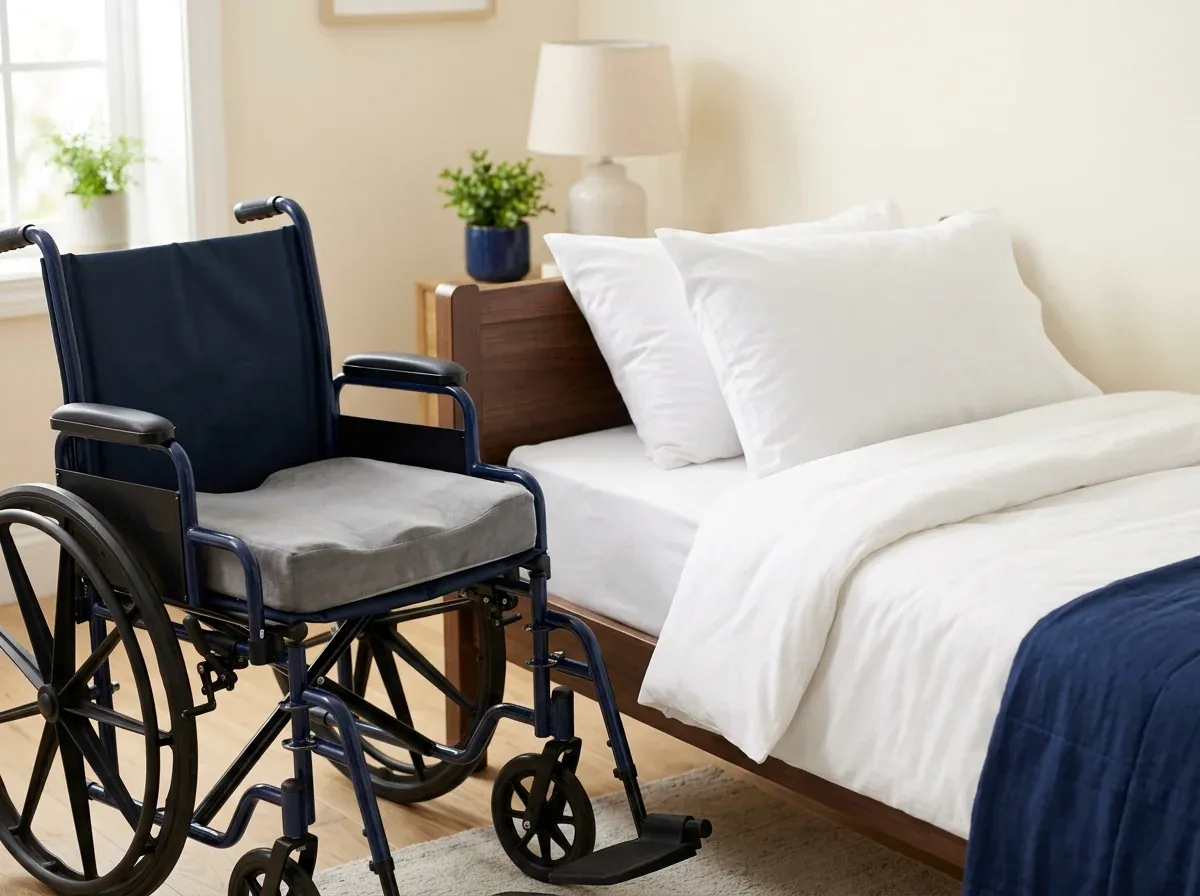
- Use pressure-relieving surfacesSpecialized foam, air or alternating-pressure mattresses and wheelchair cushions spread weight more evenly. Ask your care team what’s appropriate. Avoid donut-shaped cushions, which can actually reduce blood flow to the surrounding tissue.
- Keep skin clean and dryClean skin promptly after any incontinence using a gentle, pH-balanced cleanser, pat it dry rather than rubbing, and apply a barrier cream to protect it from moisture. Change wet bedding and clothing quickly.
- Support good nutrition and hydrationSkin needs protein, calories, vitamins and fluids to stay strong. Encourage regular meals and drinks. See our guide on foods that help wounds heal.
- Encourage movementEven small movements help. If your loved one is able, encourage them to shift their weight, do simple range-of-motion exercises, or sit up and walk as much as their care team allows.
- Massaging red areas over bony spots, which can damage fragile tissue further
- Using donut or ring cushions
- Leaving wrinkles, crumbs or objects in the bed
- Using hot water bottles or heating pads on skin with reduced feeling
- Using too many layers of pads under the person, which reduces the benefit of a special mattress
How to Do a Daily Skin Check
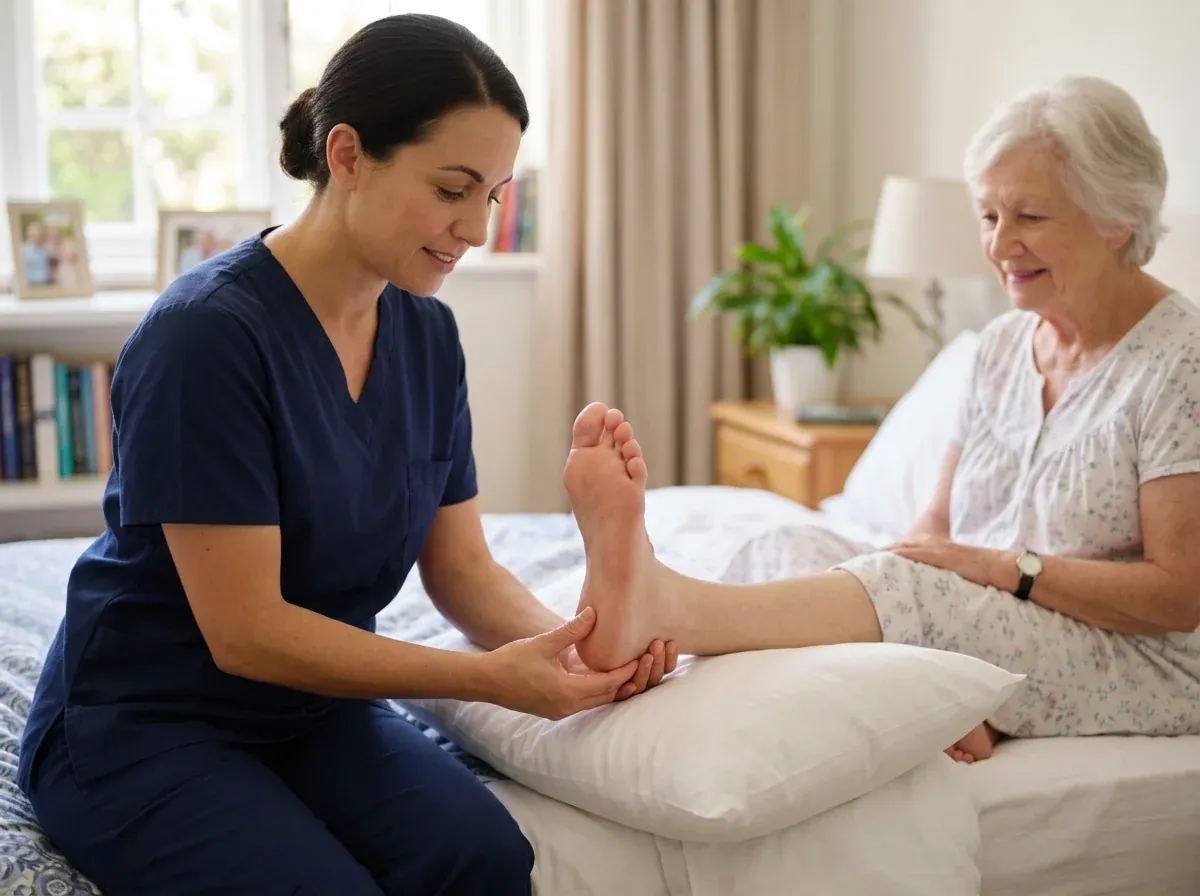
A quick, thorough skin check once or twice a day, often during bathing or repositioning, is one of the best ways to catch problems early.
- Use good lighting and look at every pressure point: back of the head, ears, shoulders, shoulder blades, elbows, spine, tailbone, buttocks, hips, knees, ankles and heels.
- Look for color changes: redness on lighter skin, or purple, blue or darker patches on darker skin.
- Feel the skin gently for areas that are warmer, cooler, firmer or softer (boggy) than the surrounding skin.
- Ask about pain or tenderness, and watch facial expressions in people who can’t easily communicate.
- Check under devices such as oxygen tubing, braces and compression stockings.
- Note anything new, and take a photo if you can so you can compare over time.
When to Call for Professional Help
Contact your wound care provider or doctor promptly if you notice:
- Red or discolored skin that doesn’t fade within about 30 minutes of relieving pressure
- Any blister, open area or broken skin over a pressure point
- Skin that feels unusually warm, hard, spongy or painful
- A dark purple or maroon area, even if the skin is unbroken
- Signs of infection: increasing redness, swelling, drainage, bad smell or fever
Seek emergency care if your loved one develops a high fever, confusion, a rapid heartbeat or rapid breathing, which may be signs of a serious infection. Our article on signs of wound infection explains what to look for.
Pressure injuries heal best when treatment starts early. Our clinicians provide specialized pressure ulcer care at home, in nursing homes and in assisted living facilities across Troy and Metro Detroit. That includes assessing wounds, recommending support surfaces, performing treatments and working closely with facility staff and families.
Support for Caregivers
Preventing bedsores is demanding, round-the-clock work, and caregivers need support too. Share the repositioning schedule with other family members, ask your care team to demonstrate safe turning techniques, and don’t hesitate to ask about equipment like hospital beds, lift devices or specialty mattresses, which may be covered by insurance when medically necessary.
You don’t have to do this alone. A good care team will teach you, support you and share the load.
Frequently Asked Questions
How quickly can a bedsore develop?
Pressure injuries can begin to form within just a few hours of unrelieved pressure, particularly in older adults or people who are very ill. That’s why regular repositioning and daily skin checks are so important.
How often should a bedbound person be turned?
Turning at least every two hours is a commonly recommended starting point for people in bed, but the right schedule depends on the person’s skin, health and the type of mattress. Your care team will recommend a personalized repositioning plan.
What is the first sign of a bedsore?
The earliest sign is usually an area of skin that looks red (or purple or darker on darker skin tones) and doesn’t turn white when gently pressed. The area may also feel warmer, cooler, firmer or softer than surrounding skin, or be painful.
Can bedsores be completely prevented?
Most bedsores can be prevented with good care, including repositioning, skin checks, moisture management, nutrition and the right support surfaces. In some very ill patients, skin breakdown can still occur despite excellent care, which is why early detection and treatment matter too.
Do special mattresses really help prevent bedsores?
Yes. Pressure-redistributing foam, air and alternating-pressure mattresses spread weight more evenly and reduce pressure on bony areas. They work best alongside regular repositioning, not as a replacement for it.
Should I massage red skin to improve circulation?
No. Massaging reddened areas over bony spots can damage fragile tissue further. Instead, relieve all pressure from the area, keep the skin clean and moisturized, and contact your care team if the redness doesn’t fade.
Does Medicare cover pressure ulcer treatment at home?
Medicare and many other insurance plans may cover medically necessary wound care and certain support surfaces, but coverage depends on your specific plan and situation. Our team can help verify your benefits. See our accepted insurance plans or call us to check.
Related Articles
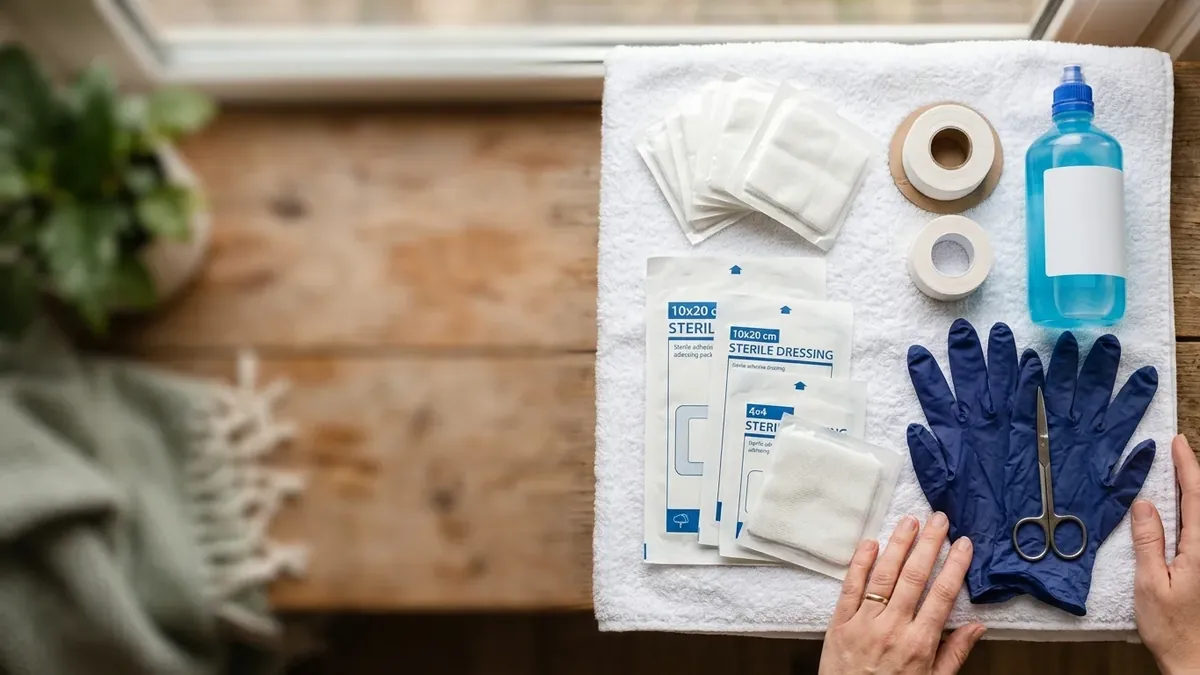 How to Change a Wound Dressing at Home
 Foods That Help Wounds Heal Faster
 What Is Mobile Wound Care?
Medical disclaimer: This article is for general educational purposes only and is not a substitute for professional medical advice, diagnosis or treatment. Always follow the instructions of your own healthcare provider. If you think you are experiencing a medical emergency, call 911 immediately.