

Diabetes & Wounds
Diabetic Foot Care: Daily Habits That Prevent Ulcers
Simple, everyday steps that protect your feet, your mobility and your independence.
If you live with diabetes, your feet need a little extra attention every single day. A small blister from a new pair of shoes, a crack in dry skin or a cut you didn’t feel can turn into a foot ulcer that takes months to heal. In serious cases, untreated foot ulcers can lead to infection, hospitalization and even amputation.
That may sound frightening, but here’s the important part: most diabetic foot ulcers are preventable. A few minutes of daily care, the right footwear and good blood sugar control go a long way. This guide explains why diabetes puts your feet at risk, walks you through a complete daily foot care routine, and lists the warning signs that mean it’s time to call your care team.
Key Takeaways
- Diabetes can reduce feeling and blood flow in the feet, so injuries may go unnoticed and heal slowly.
- Check both feet every day, including the soles and between the toes.
- Never walk barefoot, even at home, and always check inside your shoes before putting them on.
- Keeping blood sugar in your target range is one of the best ways to protect your feet.
- Report any sore, blister, color change or swelling promptly. Don’t wait for it to hurt.
In This Article
Why Diabetes Puts Your Feet at Risk
Over time, high blood sugar can damage the nerves and blood vessels that serve your feet. These changes happen gradually, often without obvious symptoms, which is why daily care matters even if your feet feel fine.
01Nerve damage
Diabetic neuropathy can cause numbness, tingling or burning. When feeling is reduced, you may not notice a stone in your shoe, a burn or a blister.
02Reduced blood flow
Narrowed arteries deliver less oxygen and fewer nutrients to the feet, so injuries heal slowly and infections are harder to fight.
03Dry, cracked skin
Nerve changes can reduce sweating, leaving skin dry and prone to cracks that let bacteria in.
04Changes in foot shape
Weakened muscles and joints can cause bunions, hammertoes or other changes that create new pressure points.
With neuropathy, a serious foot wound can be completely painless. Many people only discover a problem when they see blood or drainage on a sock. That’s why looking at your feet every day is far more reliable than waiting to feel something.
12 Daily Habits That Protect Diabetic Feet
- Inspect both feet every dayLook at the tops, soles, heels and between every toe in good light. Check for cuts, blisters, redness, swelling, calluses, cracks or nail problems. Pick a set time, such as bedtime, so it becomes a habit.
- Use a mirror or ask for helpIf you can’t see the bottom of your feet easily, use a long-handled mirror or ask a family member to check for you.
- Wash your feet daily in lukewarm waterUse mild soap and water that’s warm, not hot. Test the temperature with your elbow or a thermometer first, since reduced feeling can make it hard to judge with your feet. Avoid long soaks, which can dry out the skin.
- Dry carefully, especially between the toesPat dry with a soft towel. Moisture trapped between the toes can lead to skin breakdown and fungal infections.
- Moisturize, but not between the toesApply a thin layer of lotion to the tops and bottoms of your feet to prevent dry, cracked skin. Keep lotion out of the spaces between your toes.
- Trim toenails carefullyCut nails straight across and gently smooth sharp edges with a nail file. Don’t cut into the corners. If your nails are thick, curved or hard to reach, or your eyesight or feeling is reduced, have a podiatrist trim them.
- Leave corns and calluses to a professionalNever cut corns or calluses yourself or use over-the-counter corn removers or acid pads, which can burn the skin and cause ulcers.
- Never walk barefootWear shoes or protective slippers at all times, indoors and outdoors, including at the beach and around the pool.
- Check inside your shoes before wearing themRun your hand inside each shoe to feel for pebbles, rough seams or torn linings that could rub your skin.
- Wear clean, dry socks every dayChoose soft, seamless socks that wick moisture away. Avoid tight elastic tops that restrict circulation.
- Protect your feet from heat and coldDon’t use heating pads, hot water bottles or electric blankets on your feet, and don’t warm them near a fireplace or heater. Wear socks at night if your feet get cold.
- Keep the blood flowingPut your feet up when sitting, wiggle your toes and move your ankles for a few minutes several times a day, and avoid crossing your legs for long periods. Stay as active as your care team recommends.

Choosing the Right Shoes and Socks
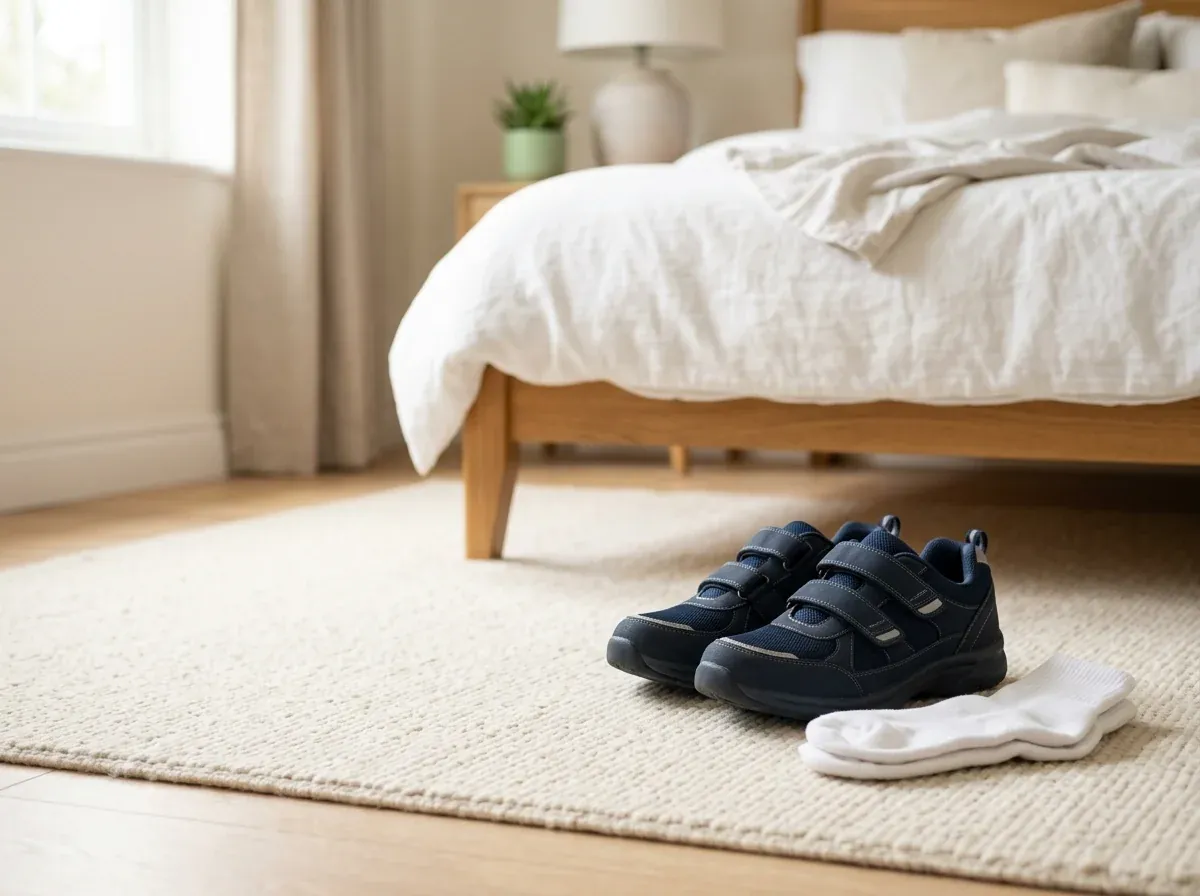
Poorly fitting shoes are one of the most common causes of diabetic foot ulcers. The right footwear protects your feet from injury and reduces pressure on vulnerable areas.
- Choose shoes with a wide, deep toe box so your toes aren’t squeezed.
- Look for soft, breathable uppers like leather or mesh, and cushioned, supportive soles.
- Avoid high heels, pointed toes and open-toed sandals, and shoes with straps between the toes.
- Shop for shoes later in the day, when feet are naturally a little larger.
- Break in new shoes slowly, wearing them for an hour or two at a time and checking your feet afterward.
- Ask about therapeutic shoes or custom inserts. Medicare and some other insurance plans may help cover diabetic shoes for eligible patients.
How Blood Sugar Affects Your Feet
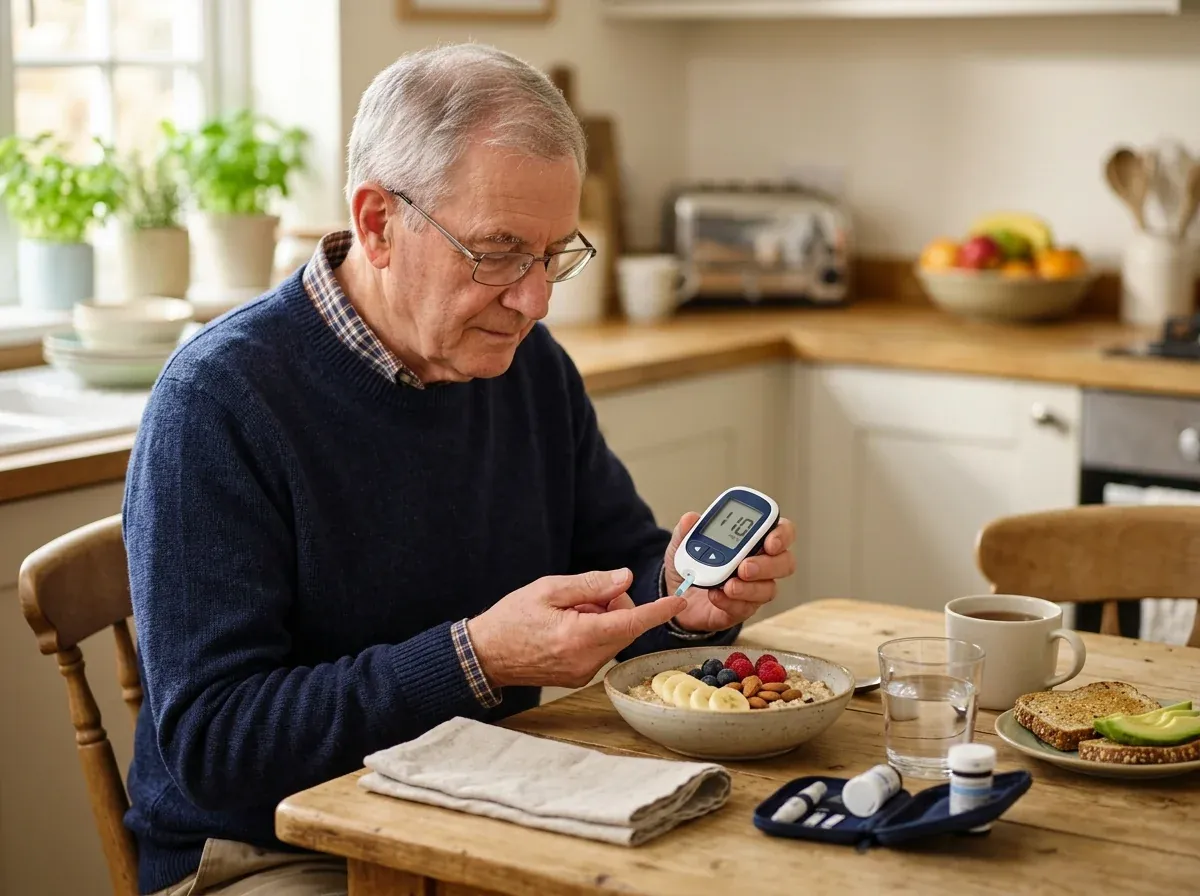
Keeping your blood sugar within the range your doctor recommends is one of the most powerful ways to protect your feet. Better control can help slow nerve and blood vessel damage and helps any wounds heal faster and resist infection.
- Check your blood sugar as often as your doctor advises and keep a record.
- Take diabetes medications exactly as prescribed.
- Follow a balanced eating plan with plenty of vegetables, lean protein and whole grains. Our nutrition guide for wound healing has practical ideas.
- Stay as active as your care team recommends.
- If you smoke, get support to quit. Smoking significantly reduces blood flow to the feet.
Seasonal Foot Care Tips for Michigan
Michigan’s weather brings its own challenges for diabetic feet. Adjusting your routine with the seasons helps keep your feet safe all year round.
Winter
- Keep feet warm and dry. Wear insulated, waterproof boots with warm, moisture-wicking socks, and change socks if they get damp from snow or slush.
- Never warm feet with direct heat. Heating pads, space heaters, hot water bottles and fireplaces can cause serious burns you may not feel.
- Moisturize more often. Dry indoor heat can crack the skin on your heels.
- Check for cold injuries. Pale, numb, waxy or discolored skin after time outdoors needs prompt attention.
Summer
- Resist going barefoot at the beach, pool, lake or in the backyard. Hot sand, pavement and hidden objects can injure feet.
- Protect the tops of your feet from sunburn, and choose closed shoes over sandals.
- Watch for sweat and swelling. Change socks if they get damp, and put your feet up if they swell in the heat.
Staying Active Safely
Regular activity improves blood sugar control and circulation, both of which protect your feet. The key is choosing activities that don’t put too much pressure or friction on vulnerable areas.
- Choose low-impact options like walking in well-fitting shoes, stationary cycling, swimming or chair exercises. If you have an open wound, check with your care team before swimming.
- Always wear proper footwear and socks for exercise, and check your feet before and after every session.
- Start slowly and build up gradually, especially if you’ve been inactive.
- Stop and check your feet if you feel rubbing, notice a hot spot or see blood on your sock.
- Ask your doctor which activities are safest for you if you have neuropathy, foot deformities or a history of ulcers.
Warning Signs to Report Right Away
Call your doctor, podiatrist or wound care provider promptly if you notice any of the following:
- A cut, blister, sore or crack that isn’t healing after a few days
- Redness, warmth or swelling in any part of the foot or ankle
- Drainage, blood or fluid on your socks
- A bad smell from your foot
- Changes in skin color, especially areas that look pale, blue, purple or black
- New numbness, tingling, burning or pain
- Ingrown or infected toenails
- A change in the shape of your foot, or one foot that’s suddenly warmer or more swollen than the other
Spreading redness, a foot that turns cold, pale, blue or black, fever or chills with a foot wound, or red streaks moving up the leg. These can signal a serious infection or a blocked blood supply and need emergency attention. Call 911 or go to the nearest emergency room.
What to Do If You Find a Sore
- Take pressure off the areaLimit walking on the affected foot as much as possible until it’s been assessed.
- Clean it gentlyRinse with clean water or saline and cover it with a clean, dry dressing. Avoid harsh antiseptics unless your clinician advises them.
- Don’t try to treat it yourselfDon’t pop blisters, cut away skin or apply home remedies.
- Call your care team the same dayDiabetic foot wounds should be seen by a professional quickly. Early treatment greatly improves healing and lowers the risk of complications.
Our team specializes in diabetic foot ulcer care at home across Troy and Metro Detroit. We clean and dress wounds, relieve pressure, monitor for infection and coordinate closely with your doctor and podiatrist. For more on spotting infection, see 7 signs your wound is infected.
Professional Foot Care: Don’t Skip Your Checkups
Daily self-care is essential, but it works best alongside regular professional exams. Diabetes guidelines recommend a comprehensive foot exam by a healthcare professional at least once a year, and more often if you have nerve damage, poor circulation, foot deformities or a history of ulcers.
- Take off your shoes and socks at every doctor visit as a reminder to have your feet checked.
- See a podiatrist for nail care, calluses and custom footwear if you’re at higher risk.
- Ask about nerve and circulation testing to understand your personal risk level.
Five minutes a day looking after your feet can protect your mobility and your independence for years to come.
Frequently Asked Questions
How often should I check my feet if I have diabetes?
Check both feet every day, including the soles, heels and between the toes. Daily checks help you catch small problems like blisters, cuts or redness before they turn into serious wounds.
Why can’t people with diabetes walk barefoot?
Diabetes can reduce feeling in the feet, so you might step on something sharp or hot without noticing. Even a small injury can become an ulcer when blood flow is reduced. Wearing shoes or protective slippers at all times helps prevent these injuries.
Should people with diabetes soak their feet?
Long soaks are generally not recommended because they can dry out the skin and lead to cracks. A quick wash in lukewarm water, followed by careful drying, is safer. Always test the water temperature with your elbow or a thermometer first.
Can I cut my own toenails if I have diabetes?
Many people can, as long as they cut straight across and smooth the edges. If your nails are thick, ingrown or hard to reach, or you have reduced feeling or eyesight, it’s safer to have a podiatrist trim them.
What does a diabetic foot ulcer look like?
A diabetic foot ulcer is an open sore, often on the ball of the foot, the heel or the tips or tops of the toes. It may have a callus around the edge, drain fluid onto your sock, or look red, pink or darker. Because it may not hurt, visual checks are essential.
Does Medicare cover diabetic shoes?
Medicare Part B may cover therapeutic shoes or inserts for people with diabetes who meet certain medical criteria, when prescribed by a doctor. Coverage details vary, so check with your plan or ask your care team for help.
How long does a diabetic foot ulcer take to heal?
Healing time varies widely depending on the size and depth of the wound, blood flow, blood sugar control and how quickly treatment begins. With early, consistent professional care and pressure relief, many ulcers heal in weeks to a few months.
Related Articles
 7 Signs Your Wound Is Infected (and When to Call for Help)
 Foods That Help Wounds Heal Faster
 What Is Mobile Wound Care?
Medical disclaimer: This article is for general educational purposes only and is not a substitute for professional medical advice, diagnosis or treatment. Always follow the instructions of your own healthcare provider. If you think you are experiencing a medical emergency, call 911 immediately.