

Nutrition & Healing
Foods That Help Wounds Heal Faster: A Complete Nutrition Guide
What to eat, and drink, to give your body the building blocks it needs to repair skin and tissue.
When most people think about wound care, they picture dressings, cleaning and doctor visits. But some of the most important healing work happens at the kitchen table. Repairing skin and tissue takes a surprising amount of energy and raw materials, and if your body doesn’t get enough of them, even the best wound treatment can stall.
Poor nutrition is one of the most common and most overlooked reasons wounds heal slowly, especially in older adults, people recovering from surgery and those living with chronic conditions. The encouraging part is that small, practical changes to what you eat and drink can make a real difference. This guide explains which nutrients matter most, the best everyday foods to get them from, a sample day of healing meals and tips for when appetite is low.
Key Takeaways
- Healing wounds increase your body’s need for calories, protein and fluids.
- Protein is the single most important nutrient for rebuilding tissue. Aim to include it at every meal.
- Vitamin C, vitamin A and zinc each play specific roles in repair and infection-fighting.
- Staying hydrated keeps skin healthy and helps nutrients reach the wound.
- Talk to your doctor before starting supplements or changing your diet, especially if you have diabetes or kidney disease.
In This Article
Why Nutrition Matters So Much for Wound Healing
A wound is essentially a construction site. To close it, your body has to build new blood vessels, lay down collagen (the protein “scaffolding” of skin), produce new skin cells and fight off bacteria, all at the same time. Every one of those jobs depends on nutrients from food.
When the body is short on fuel, it prioritizes keeping vital organs running, and wound repair takes a back seat. That’s why people who are underweight, have lost weight recently, or haven’t been eating well often see wounds that heal slowly, reopen or become infected.
Unplanned weight loss, clothes or rings feeling looser, low appetite, skipping meals, feeling weak or tired, dry and fragile skin, or a wound that simply isn’t getting smaller. If any of these sound familiar, mention them to your wound care clinician or doctor.
Protein: The Most Important Nutrient for Healing
If you remember only one thing from this guide, make it this: include a good source of protein at every meal and snack. Protein provides the amino acids your body uses to build collagen, new skin, blood vessels and immune cells. When protein intake is too low, wounds heal more slowly and are weaker once they close.
People with wounds, especially large or chronic wounds, generally need more protein than usual. Your clinician or a registered dietitian can tell you how much is right for you.
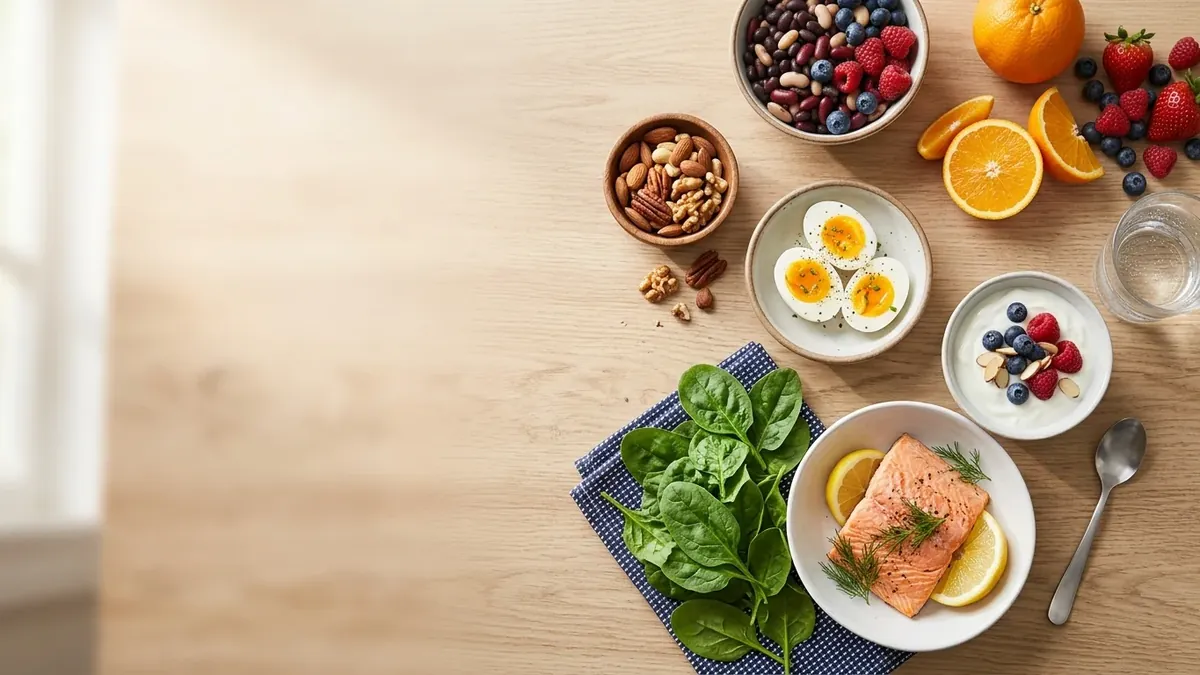
Excellent sources of protein
01Poultry & lean meats
Chicken, turkey, lean beef and pork. Soft, slow-cooked options are easy to chew.
02Fish & seafood
Salmon, tuna, sardines and white fish provide protein plus healthy omega-3 fats.
03Eggs
Affordable, quick to cook and easy to eat, even with a small appetite.
04Dairy
Greek yogurt, cottage cheese, milk and cheese are protein-rich and soft.
05Beans & lentils
Great plant proteins that also provide fiber, iron and zinc.
06Nuts, seeds & tofu
Peanut butter, almonds, seeds and tofu are easy additions to meals and snacks.
Key Vitamins and Minerals for Wound Repair
Alongside protein, several vitamins and minerals play specific roles in healing. The best way to get them is from a varied, colorful diet.
Vitamin C: for collagen and strong new skin
Your body needs vitamin C to form collagen and to support the immune system. It can’t store vitamin C for long, so regular intake matters. Good sources: oranges, grapefruit, strawberries, kiwi, bell peppers, broccoli, tomatoes and potatoes.
Vitamin A: for new skin cells and immunity
Vitamin A helps regulate inflammation and supports the growth of new skin cells. Good sources: carrots, sweet potatoes, pumpkin, spinach and other dark leafy greens, eggs and dairy.
Zinc: for tissue growth and repair
Zinc is involved in cell growth, protein building and immune function. Low zinc levels are linked to slower healing. Good sources: lean meat, poultry, seafood (especially shellfish), beans, nuts, seeds and whole grains.
Healthy fats and calories: for energy
If you don’t get enough calories, your body may break down protein for energy instead of using it for repair. Healthy fats from olive oil, avocado, nuts and fish provide concentrated energy. For people who are underweight or have a small appetite, calorie-rich foods are especially valuable.
Iron: for oxygen delivery
Iron helps red blood cells carry oxygen to the wound. Good sources: red meat, poultry, fish, beans, lentils, spinach and fortified cereals.
An easy rule of thumb: try to include at least two different colors of fruits or vegetables at each meal. Different colors tend to provide different vitamins and minerals, so variety covers more of your body’s needs.
Hydration: The Overlooked Healing Nutrient
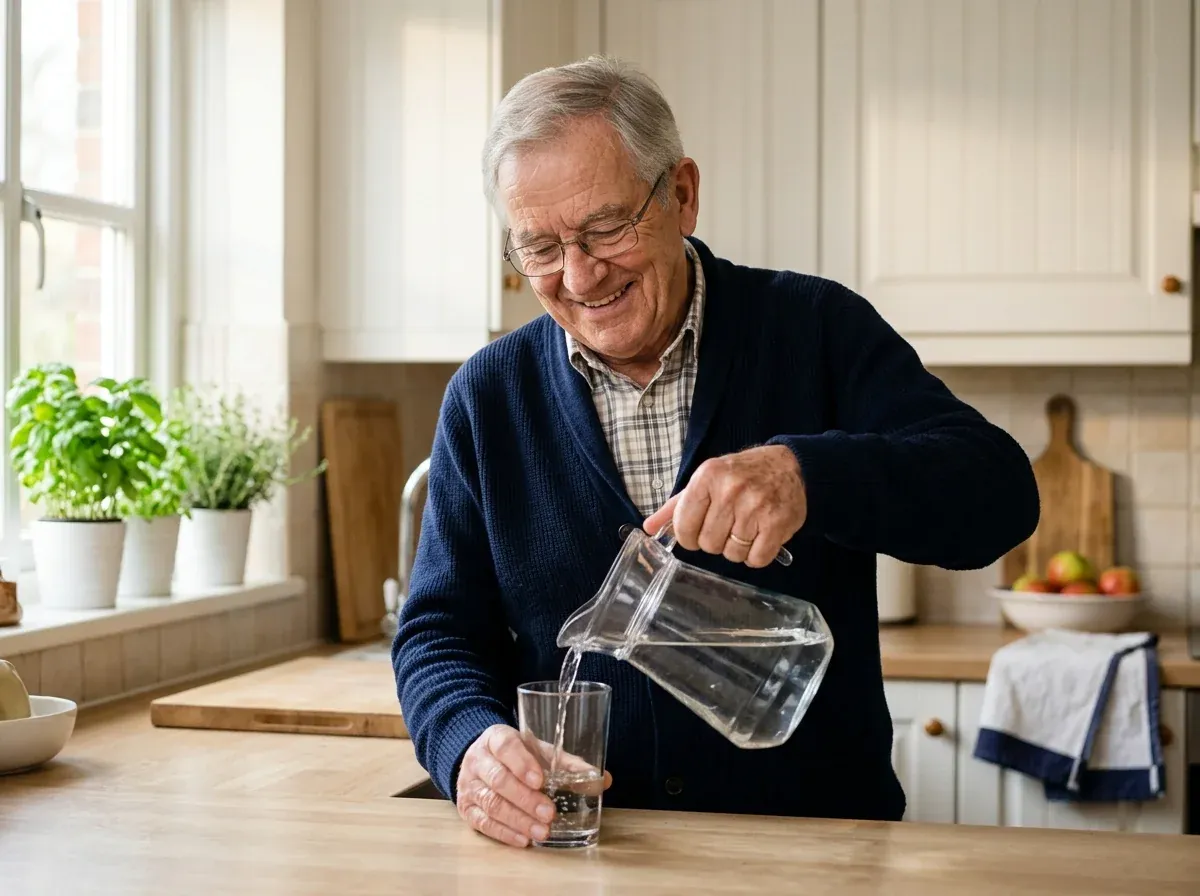
Water carries oxygen and nutrients to the wound, keeps skin supple and helps remove waste. Dehydrated skin is more fragile and more likely to break down. Many older adults don’t feel thirsty even when they need fluids, so drinking regularly throughout the day, not just when thirsty, is important.
- Keep a glass or water bottle within easy reach all day.
- Drink a glass of water with every meal and every medication.
- Soups, milk, smoothies and water-rich fruits like melon and oranges all count toward fluid intake.
- Pale yellow urine is generally a good sign of hydration.
Some people with heart failure or kidney disease are told to limit fluids. If you have a fluid restriction, follow your doctor’s instructions rather than general advice.
A Sample Day of Wound-Healing Meals
Here’s an example of how to build protein and key nutrients into a normal day. Portions and choices should be adjusted to your own needs, preferences and medical advice.
| Meal | Example | Why it helps |
|---|---|---|
| Breakfast | Scrambled eggs with spinach, whole-grain toast and an orange | Protein, iron, vitamin A and vitamin C |
| Morning snack | Greek yogurt with berries and a sprinkle of nuts | Protein, zinc and vitamin C |
| Lunch | Chicken and vegetable soup with a bean salad | Protein, fluids, fiber and zinc |
| Afternoon snack | Apple slices with peanut butter, and a glass of milk | Protein, healthy fats and calories |
| Dinner | Baked salmon, sweet potato and steamed broccoli | Protein, omega-3s, vitamin A and vitamin C |
| Evening | Cottage cheese with peaches, or a warm milky drink | Protein and calories before bed |

Tips When Appetite Is Low
Illness, pain, medications and simply getting older can all reduce appetite. When eating feels like a chore, these strategies can help:
- Eat small, frequent meals, five or six mini-meals rather than three large ones.
- Eat protein first at each meal, before you get full.
- Make every bite count. Add cheese to eggs, milk powder to soups, or nut butter to toast.
- Try nourishing drinks like smoothies made with yogurt, milk and fruit. Ask your clinician whether a nutritional supplement drink is right for you.
- Keep easy snacks on hand: cheese sticks, hard-boiled eggs, yogurt cups and crackers with peanut butter.
- Make meals social. Eating with family or friends often helps people eat more.
- Address problems with chewing or swallowing. Soft foods, soups and smoothies can help, and a dentist or speech therapist may be able to assist.

Special Considerations: Diabetes, Kidney Disease and Supplements
If you have diabetes
High blood sugar slows healing and increases the risk of infection. Keeping blood sugar within your target range is one of the most powerful things you can do for a healing wound. Choose whole grains, beans, vegetables and lean proteins, spread carbohydrates evenly through the day, and work with your doctor or diabetes educator on a plan. Our guide to diabetic foot care has more on protecting your feet.
If you have kidney disease
People with kidney disease sometimes need to limit protein, potassium, phosphorus or fluids. Don’t increase protein or take supplements without talking to your kidney doctor or dietitian first.
What about supplements?
Vitamin and mineral supplements can help if you’re truly deficient, but more isn’t always better, and some can interact with medications or cause harm in high doses. Specialized wound-healing nutrition drinks are sometimes recommended for people with large or slow-healing wounds. Always check with your doctor or wound care clinician before starting any supplement.
Foods and habits to limit
- Sugary drinks and sweets, which can raise blood sugar and fill you up without providing nutrients
- Heavily processed foods that are high in salt and low in protein
- Alcohol, which can dehydrate you and interfere with healing
- Smoking and nicotine, which reduce blood flow to the wound
Common Myths About Food and Wound Healing
There’s a lot of well-meaning advice about what to eat when you have a wound. Here are some of the most common myths, and what’s actually true.
01“Eat light while you heal”
Healing actually increases your body’s energy and protein needs. Eating too little can slow repair, so focus on nourishing, protein-rich meals rather than eating less.
02“Mega-dose vitamins speed healing”
Extra vitamins only help if you’re low in them. Very high doses can cause side effects or interact with medicines. Ask your doctor before taking supplements.
03“Only meat provides enough protein”
Eggs, dairy, beans, lentils, tofu, nuts and seeds are all excellent protein sources. A mix of animal and plant proteins works well for most people.
04“Weight loss doesn’t matter if I’m overweight”
Unplanned weight loss can mean muscle and protein stores are being used up, even in people who are overweight. Tell your care team about any unexpected weight change.
Tips for Caregivers Preparing Meals
If you’re cooking for a loved one with a wound, small changes can add up to a big difference:
- Batch-cook protein such as shredded chicken, hard-boiled eggs or a pot of lentil soup, so a nourishing option is always ready.
- Serve favorite foods and familiar flavors. People eat more of what they enjoy.
- Offer drinks between meals, not just with them, so meals don’t fill them up too quickly.
- Watch for problems such as difficulty chewing or swallowing, loose dentures or sore mouths, and mention them to the care team.
- Keep a simple food and fluid log for a few days if you’re worried about how much your loved one is eating. It’s very helpful for clinicians and dietitians.
- Ask about meal delivery services or community programs if cooking every day is difficult.
Nutrition works best as part of a complete care plan. At Wound Care Solutions, we look at the whole person, including nutrition, circulation and blood sugar, not just the wound itself. Learn more about our approach or see how we can help with in-home wound care.
Frequently Asked Questions
What is the best food for wound healing?
There isn’t a single “best” food, but protein-rich foods are the most important for healing. Eggs, fish, poultry, Greek yogurt, beans and lentils are excellent choices. Pair them with colorful fruits and vegetables for vitamins C and A, and drink plenty of fluids.
How much protein do I need to heal a wound?
Protein needs increase when you’re healing, especially with large or chronic wounds, but the right amount depends on your body size, health conditions and kidney function. Your doctor or a registered dietitian can give you a personalized target.
Does vitamin C help wounds heal faster?
Vitamin C is essential for making collagen, the protein that gives new skin its strength. Getting enough through foods like citrus fruits, berries, peppers and broccoli supports healing. Supplements may help if you’re deficient, but check with your doctor before taking them.
Should I avoid sugar when I have a wound?
Limiting added sugar is a good idea for most people, and it’s especially important if you have diabetes, because high blood sugar slows healing and raises the risk of infection. Focus on whole foods and protein rather than sweets and sugary drinks.
Can drinking more water help my wound heal?
Yes. Good hydration keeps skin healthy and helps deliver oxygen and nutrients to the wound. Many older adults don’t feel thirsty, so drink regularly throughout the day. If you have heart or kidney problems, follow your doctor’s fluid guidance.
Are protein shakes good for wound healing?
Protein or nutrition shakes can be a helpful way to boost intake when appetite is low. Some are designed specifically for wound healing. Ask your wound care clinician or doctor which type is appropriate for you, particularly if you have diabetes or kidney disease.
Related Articles
 Diabetic Foot Care: Daily Habits That Prevent Ulcers
 7 Signs Your Wound Is Infected (and When to Call for Help)
 How to Prevent Bedsores in a Bedbound Loved One
Medical disclaimer: This article is for general educational purposes only and is not a substitute for professional medical advice, diagnosis or treatment. Always follow the instructions of your own healthcare provider. If you think you are experiencing a medical emergency, call 911 immediately.