

Wound Care Basics
7 Signs Your Wound Is Infected (and When to Call for Help)
How to tell normal healing from a wound that needs attention, and exactly what to do next.
Every wound goes through a period where it looks a little red, feels a little sore and seems slow to change. For most people, that’s simply the body doing its job. But when bacteria take hold, a wound can shift from healing to infected, sometimes within a day or two. For older adults, people living with diabetes and anyone with poor circulation, catching that shift early can be the difference between a quick course of treatment and a serious health emergency.
This guide walks you through the seven most important signs of wound infection, explains what normal healing actually looks like, and gives you a clear plan for when to call your wound care clinician, your doctor or 911. Whether you’re caring for your own wound or looking after a parent or partner, you’ll know what to watch for and when to act.
Key Takeaways
- Some redness, swelling and mild pain in the first few days is a normal part of healing.
- Pain, redness or swelling that gets worse after the first few days is a warning sign.
- Thick, cloudy or foul-smelling drainage, fever and red streaks spreading from the wound need prompt medical attention.
- People with diabetes may not feel pain, so daily visual checks are essential.
- Signs of a body-wide infection, such as confusion, a racing heart or trouble breathing, are an emergency. Call 911.
In This Article
What Normal Wound Healing Looks Like
Before you can spot an infection, it helps to understand what a healthy, healing wound is supposed to look like. Healing happens in overlapping stages, and each one has its own appearance.
The first few days: inflammation
Right after an injury or surgery, your body sends extra blood and immune cells to the area. That’s why a new wound is often slightly red, warm, swollen and tender. You may also see a small amount of thin, clear or pale-yellow fluid. This inflammation is a sign your body is cleaning the wound and preparing to rebuild. It typically settles down gradually over the first several days.
The rebuilding phase
Next, the body begins producing new tissue. In an open wound you may notice moist, pink or beefy-red tissue forming at the base. This is called granulation tissue, and it’s a very good sign. The edges of the wound slowly pull inward, and the wound gets smaller over time.
The strengthening phase
Finally, the new skin thickens and matures. The area may look pink or slightly shiny, and a scar forms. This stage can last for months, even after the wound looks closed.
A healing wound gets a little better every few days. An infected wound usually does the opposite: redness spreads, pain increases and drainage changes. Trust the trend, not a single moment.
7 Signs Your Wound May Be Infected
If you notice any of the following, especially more than one at the same time, contact your wound care provider or doctor the same day. Early treatment is simpler, faster and far more effective.
1. Redness that spreads or darkens
A thin pink border around a new wound is normal. Redness that keeps expanding outward, looks darker or purplish, or spreads further each day is not. A simple trick many clinicians recommend: gently trace the edge of the redness with a pen. If it has spread past the line by the next check, call your care team.
2. Increasing pain instead of gradual relief
Most wounds become less painful as the days pass. If the pain is getting worse, throbbing, or suddenly flares up after it had been improving, that’s a classic warning sign. Pain that seems far greater than the size of the wound would suggest should always be checked promptly.
3. Warmth and swelling that don’t settle
Some warmth and puffiness is expected early on. But if the skin around the wound feels hot to the touch several days later, or the swelling is growing rather than shrinking, bacteria may be multiplying beneath the surface.
4. Pus or cloudy, thick drainage
Healthy drainage is usually thin and clear to pale yellow. Drainage that becomes thick, cloudy, green, yellow-brown or milky, or a sudden increase in how much the wound is leaking, can signal infection. If the dressing is soaked through much faster than usual, make a note of it.
5. A bad smell
A fresh wound should not have a strong or unpleasant odor, especially after it’s been cleaned. A foul, sour or rotten smell that persists after cleaning is a strong sign that bacteria are present.
6. Fever or feeling unwell
An infection that begins in a wound can affect the whole body. A temperature of 100.4°F (38°C) or higher, chills, sweating, unusual tiredness or a general feeling of being unwell alongside a wound should be reported to your doctor right away.

7. A wound that stops healing or gets bigger
Infection often stalls healing. Watch for a wound that hasn’t gotten any smaller in two weeks, edges that are breaking down, new areas of dark, gray or black tissue, or a wound that reopens after it seemed to close. In general, any wound that hasn’t made meaningful progress in four to six weeks is considered chronic and deserves a specialist assessment, even if there are no other signs of infection.
| What you notice | Normal healing | Possible infection |
|---|---|---|
| Redness | Thin pink border that fades over days | Spreading, darkening or streaking redness |
| Pain | Gradually improves | Worsens, throbs, or returns after improving |
| Drainage | Small amount, thin and clear or pale yellow | Thick, cloudy, green or yellow-brown; increasing amount |
| Smell | None or very mild | Foul odor that persists after cleaning |
| Size | Slowly getting smaller | Staying the same or getting bigger |
| How you feel | Generally well | Fever, chills, fatigue, feeling unwell |
Emergency Warning Signs: When to Call 911
Most wound infections can be treated at home or in a clinic when they’re caught early. But occasionally an infection spreads into the bloodstream or deeper tissues. This can become life-threatening quickly, especially for older adults.
- Red streaks spreading up the arm or leg away from the wound
- High fever with shaking chills
- Confusion, extreme drowsiness or difficulty waking
- A very fast heartbeat or fast, shallow breathing
- Cold, clammy or mottled skin
- Sudden, severe pain or rapidly spreading swelling, especially with skin that turns dark or blistered
- Feeling faint, very weak or dizzy
These can be signs of sepsis or a serious deep-tissue infection. Don’t wait for a scheduled visit. Get emergency help right away.
Who Is Most at Risk of Wound Infection?
Anyone can develop an infected wound, but some people are far more vulnerable. If you or your loved one falls into one of these groups, daily wound checks are especially important.
01People with diabetes
High blood sugar slows healing and weakens the immune response. Nerve damage can also hide pain, so infections may go unnoticed.
02Older adults
Skin becomes thinner and heals more slowly with age, and the usual warning signs, such as fever, may be milder or absent.
03Poor circulation
Conditions like peripheral artery disease and venous insufficiency reduce the blood flow a wound needs to heal and fight bacteria.
04Limited mobility
Being bedbound or using a wheelchair raises the risk of pressure injuries, which can become infected if they’re not treated early.
05Weakened immune systems
Chemotherapy, steroids, some autoimmune treatments and other conditions make it harder to fight off bacteria.
06Poor nutrition or smoking
The body needs protein, calories and fluids to heal. Smoking narrows blood vessels and starves the wound of oxygen.
Diabetic nerve damage (neuropathy) can make an infected foot wound feel painless. Don’t rely on pain as your warning sign. Look at your feet every day, using a mirror or asking a family member for help, and report any new redness, swelling, drainage or odor right away.
What to Do If You Think Your Wound Is Infected
If you’ve noticed one or more warning signs but none of the emergency symptoms above, here’s a simple, calm plan to follow.
- Don’t ignore it or “wait and see” for daysInfections rarely clear up on their own and can worsen quickly. Same-day contact with a clinician is the safest approach.
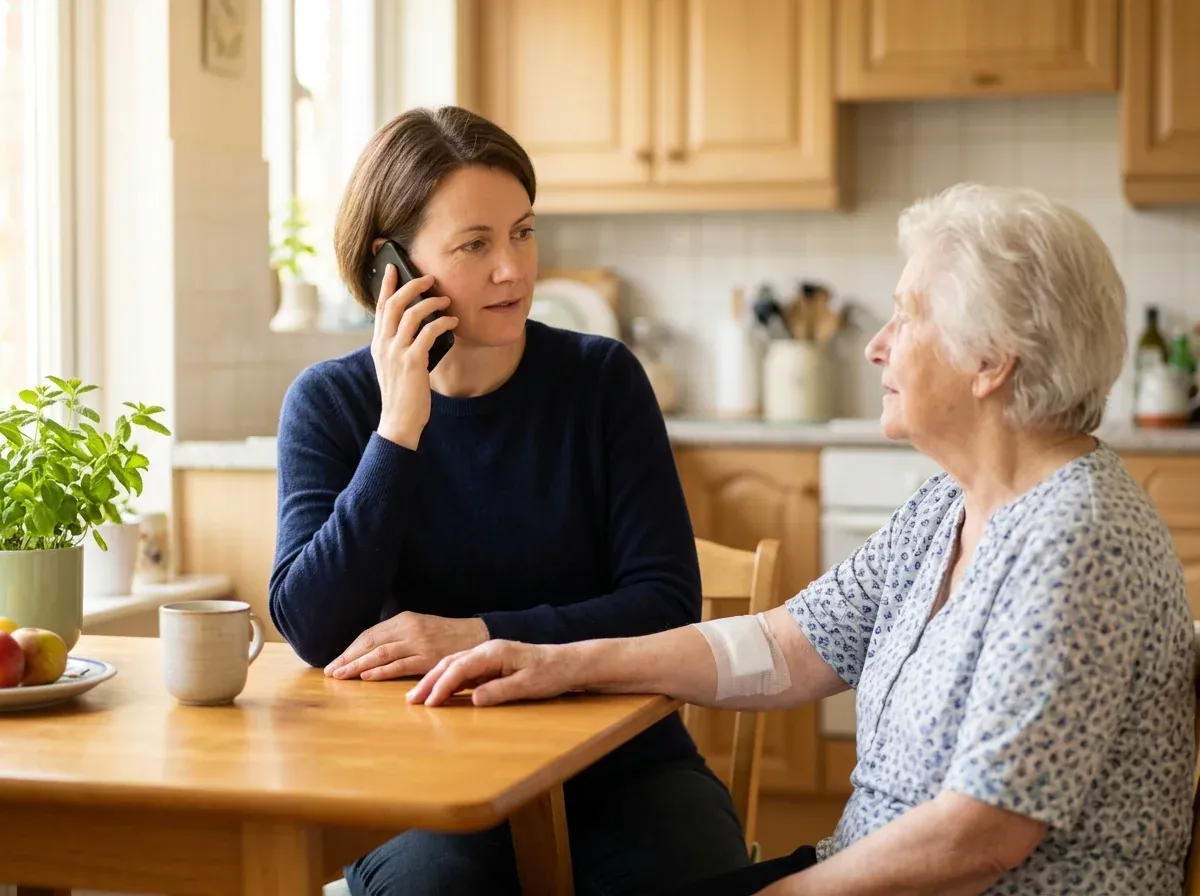
- Call your wound care provider or doctorDescribe what you’re seeing: the color and amount of drainage, any smell, how far the redness has spread and whether you have a fever. If you’re a Wound Care Solutions patient, call us directly at 248-778-7552.
- Take a photo, if you canA clear photo taken in good light can help your care team compare changes over time. Photograph the wound at the same angle each day.
- Check and record your temperatureNote the reading and the time. This is useful information for your clinician.
- Keep the wound clean and coveredFollow your existing wound care instructions. Wash your hands before and after touching the dressing, and don’t apply new creams or home remedies unless your clinician recommends them.
- Keep your follow-up appointmentsEven if you start to feel better, finish any prescribed treatment and attend follow-up visits so your care team can confirm the infection has cleared.
How Infected Wounds Are Treated
Treatment depends on the type of wound, how deep the infection goes and your overall health. Your clinician will assess the wound and may recommend one or more of the following:
- Thorough cleaning of the wound and surrounding skin to reduce bacteria.
- Debridement: gentle removal of dead or infected tissue so healthy tissue can grow.
- Antimicrobial dressings designed to help control bacteria in and around the wound.
- Antibiotics, either applied to the wound or taken by mouth, when your provider determines they’re needed. In more serious cases, IV antibiotics may be given.
- Wound cultures or tests to identify the specific bacteria and choose the most effective treatment.
- Treating underlying causes such as high blood sugar, poor circulation or pressure on the area, so the wound can finally heal.
With mobile wound care, much of this can happen in the comfort of your own home or care facility. Your clinician visits on a regular schedule, monitors the wound closely and coordinates with your primary care doctor, so changes are caught early and treatment is adjusted as the wound improves.
How to Prevent Wound Infection
You can’t eliminate every risk, but these everyday habits make a real difference:
- Wash your hands with soap and water for at least 20 seconds before and after touching a wound or dressing.
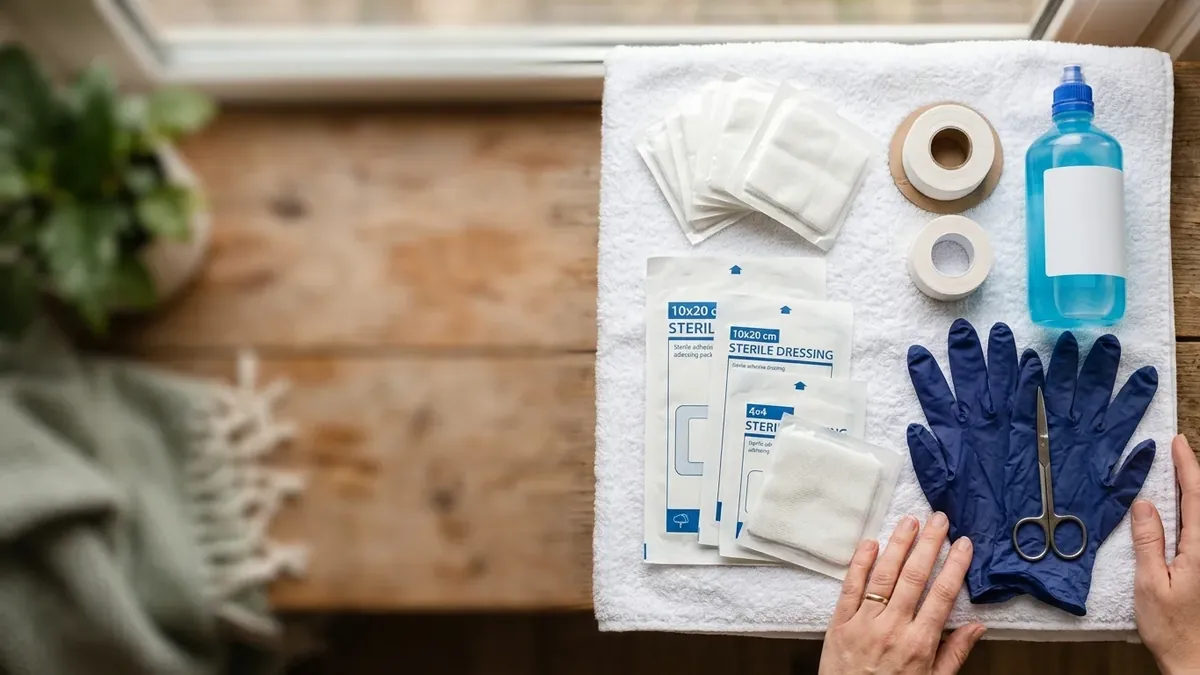
- Follow your dressing instructions exactly, including how often to change it. Our guide on how to change a wound dressing at home walks you through the process step by step.
- Keep the dressing clean and dry, and change it promptly if it becomes wet, soiled or loose.
- Avoid harsh products like hydrogen peroxide, alcohol or iodine on a healing wound unless your clinician specifically recommends them. They can damage new tissue.
- Eat well and stay hydrated. Protein, vitamins and fluids fuel healing. See our guide to foods that help wounds heal.
- Manage blood sugar carefully if you have diabetes.
- Relieve pressure on wounds caused by lying or sitting in one position.
- Don’t smoke. Smoking significantly slows healing.
- Check the wound daily and report changes early.
The earlier an infection is caught, the simpler it is to treat. When in doubt, call your care team. It’s always better to check a wound that turns out to be fine.
Frequently Asked Questions
How do I know if my wound is healing or infected?
A healing wound gradually improves: redness fades, pain eases, drainage decreases and the wound gets smaller. An infected wound tends to get worse over time, with spreading redness, increasing pain, thick or cloudy drainage, a bad smell or fever. If you’re unsure, contact your wound care provider.
How soon can a wound become infected?
Signs of infection often appear within a few days of an injury or surgery, but a wound can become infected at any point until it has fully healed. Chronic wounds, such as diabetic foot ulcers and pressure injuries, can become infected weeks or even months after they first appear.
Can an infected wound heal on its own?
Very minor surface irritation sometimes settles with good wound care, but true wound infections usually need professional treatment. Waiting can allow the infection to spread into deeper tissue or the bloodstream. It’s always safer to have a clinician take a look.
Is it normal for a wound to have some yellow fluid?
A small amount of thin, clear or pale-yellow fluid is a normal part of healing. Fluid that becomes thick, cloudy, green or foul-smelling, or a sudden increase in how much the wound is draining, may indicate infection and should be checked.
Should I put antibiotic ointment on my wound?
For small, minor cuts, an over-the-counter ointment may be fine. For surgical wounds, chronic wounds or any wound under professional care, only apply products your clinician has recommended. Some ointments and antiseptics can slow healing or irritate the skin.
What does sepsis from a wound look like?
Sepsis is the body’s extreme response to an infection. Warning signs include fever or very low temperature, chills, confusion, a fast heartbeat, fast breathing, extreme weakness and clammy or mottled skin. Sepsis is a medical emergency. Call 911 immediately.
Can you treat an infected wound at home?
Many wound infections can be managed at home under the guidance of a clinician. Mobile wound care teams like ours visit patients at home, in nursing homes and in assisted living, provide treatment, monitor progress and coordinate with your doctor. Serious or rapidly spreading infections may still require hospital care.
Related Articles
 How to Change a Wound Dressing at Home
 Diabetic Foot Care: Daily Habits That Prevent Ulcers
 What Is Mobile Wound Care?
Medical disclaimer: This article is for general educational purposes only and is not a substitute for professional medical advice, diagnosis or treatment. Always follow the instructions of your own healthcare provider. If you think you are experiencing a medical emergency, call 911 immediately.